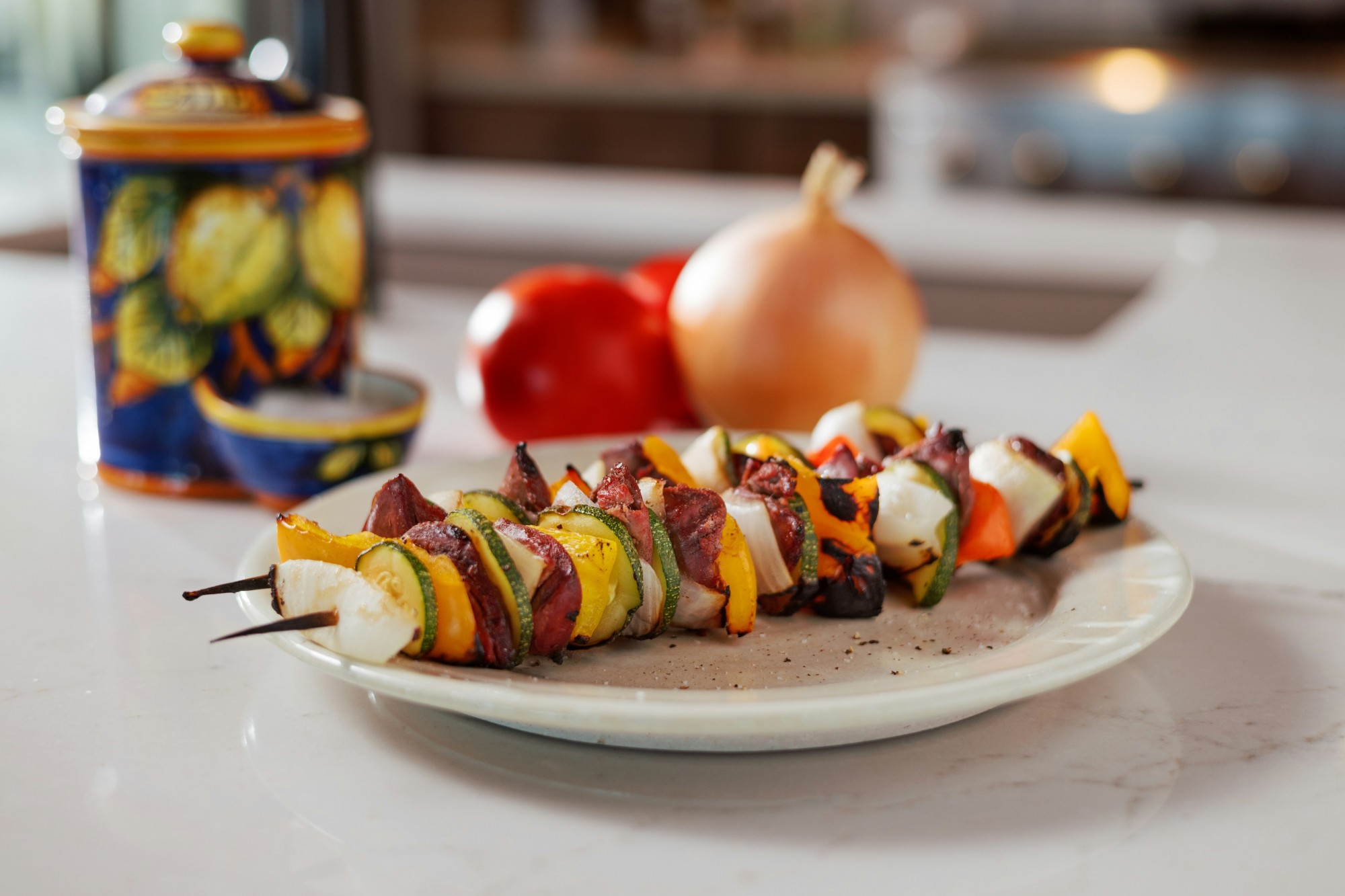
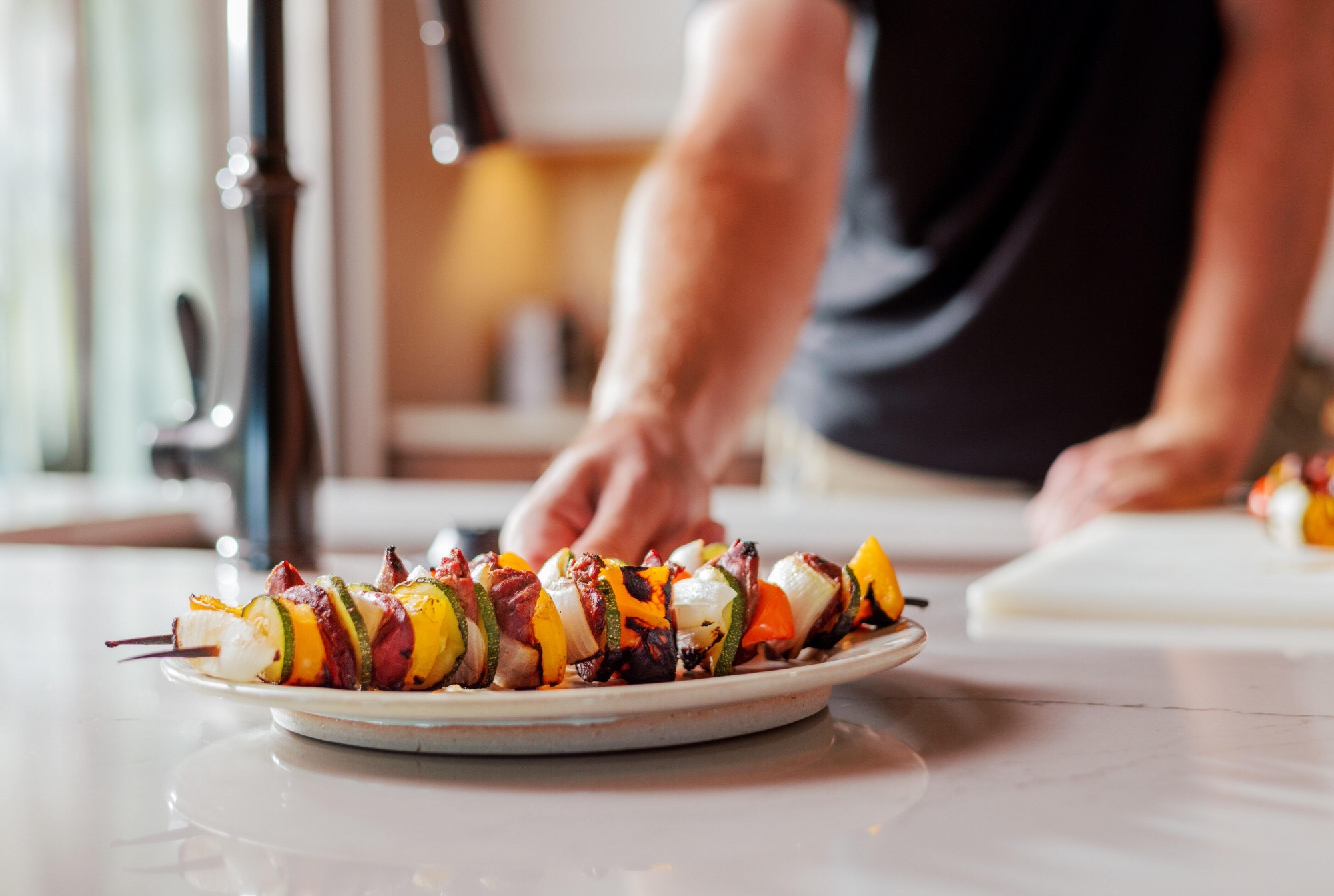
Dove is delicious, but sometimes you want to mix it up beyond just a dove jalapeño popper (as delicious as they are). This is an easy, healthy, and delicious way to cook dove breast and makes for a great appetizer or entree.
INGREDIENTS
12 Dove Breast
1 Teriyaki Marinade
1 Onion
2 Bell Peppers
1 Zucchini
PREPARATION
1. Debone and marinate the dove breast. You can debone the breast while cleaning the doves after you harvest them, or while prepping to cook. Let the breast marinade while you are prepping the rest of the ingredients.
2. We recommend starting by soaking your skewers in water while preparing the veggies and dove breast, this will keep them from burning up as quickly while on the grill.
3. Cube the vegetables. Cut them thick enough for them to have a little rigidity when putting them on the kebab. Put the cubed vegetables in their own bowls to easily be able to assemble the kebabs.
4. Assemble the kebabs - Put the ingredients on the skewers, alternate the vegetables and the dove breast to your liking.
5. Grill them! Get the grill to a medium-high heat. You only need them on the grill for a couple minutes each side. We don't want to overcook the dove breast (or any wild game for that matter).
6. Add a little salt and pepper and you are ready to enjoy!
PAIRS WELL WITH:
Anything really! This is a great appetizer or an entree for a big group. With the teriyaki flavor in the marinade, we recommend a pineapple fried rice or steamed broccoli.
Duck Calling Masterclass ft. 9X World Champion - Kent Cullum!
We were lucky enough to hunt with nine-time World Champion duck caller, Kent Cullum, this past duck season. Since then, Kent has become a good friend of Trophy Properties and Auction. So much so, that he was generous enough in his time and talent to help us create this Duck Calling Masterclass!
In this masterclass, Kent shares invaluable insights into the art and science of calling ducks, emphasizing technique, equipment, and the subtle nuances that can make all the difference in the field. Let's break down some of his key points and tips to help you become a more effective duck caller.
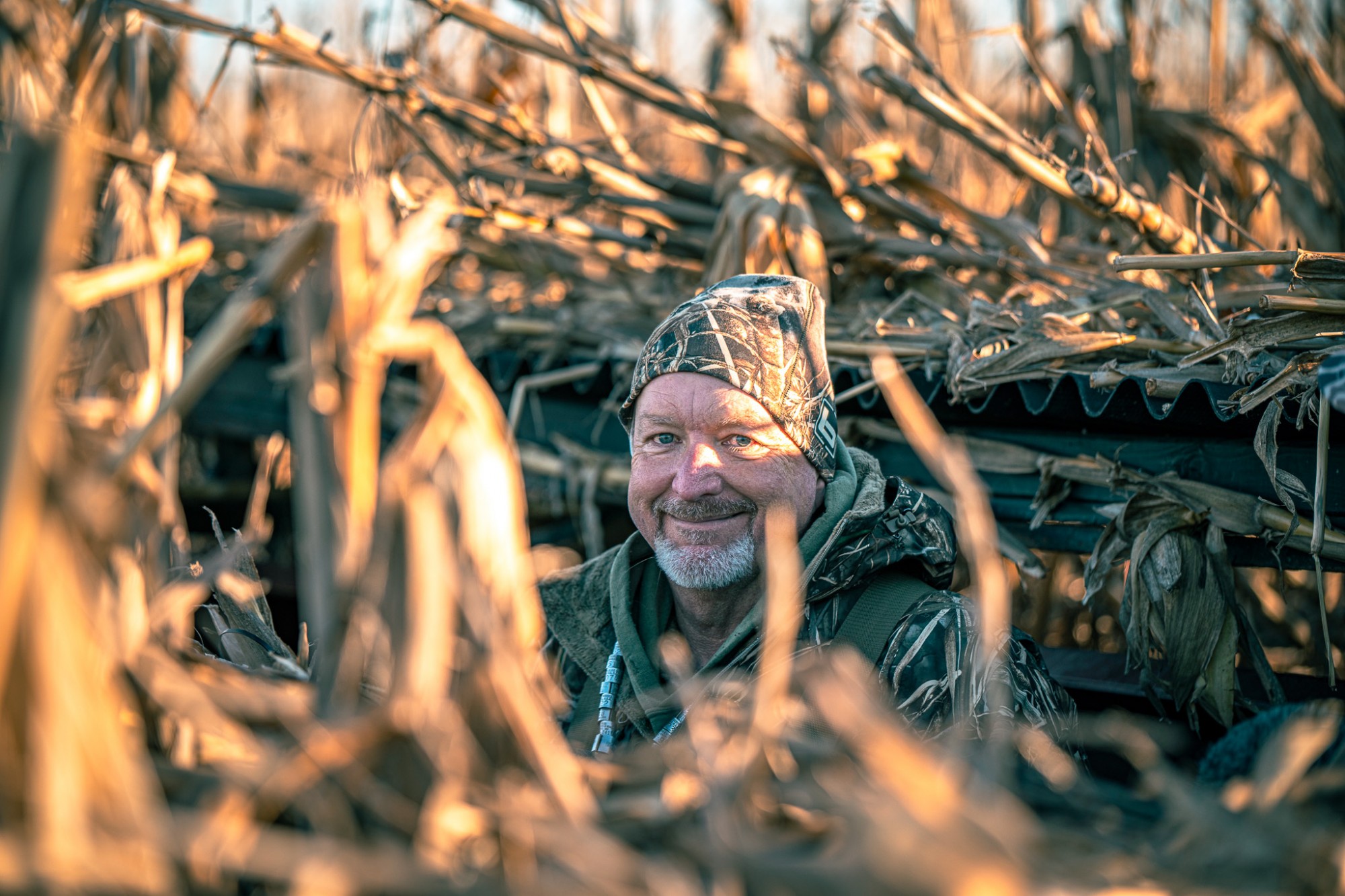
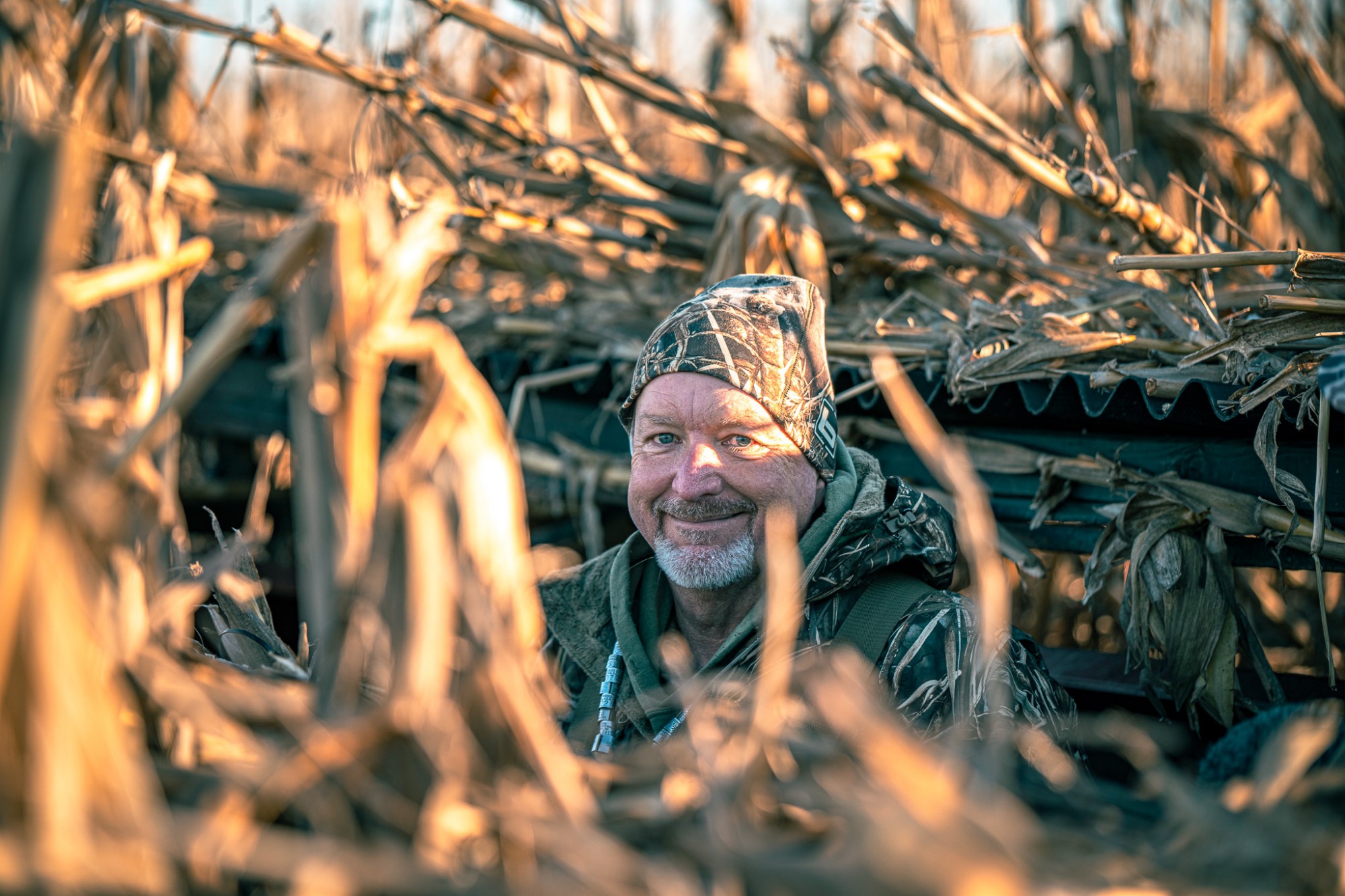
Kent Cullum in the Blind
The Basics of Holding and Using a Duck Call
One of the first things Kent emphasizes is the importance of how you hold and use the duck call. Many people mistakenly think it's complicated, but Kent simplifies it:
Grip: Hold the duck call between your thumb and first finger, wrapping your other fingers around the call but keeping them open enough to let the air flow properly.
Mouth Placement: Instead of putting the whole call in your mouth, rest it on your bottom lip, much like taking a sip from a soda bottle. This method seals the call and ensures no air escapes, giving you better control over the sound.
Understanding Air Pressure and Back Pressure
Kent explains that different calls require different air pressures. Modern calls are designed to be easy to blow, but understanding back pressure is crucial:
Back Pressure: This is the resistance you feel when blowing into the call. A call with good back pressure is easier to control and allows for more realistic sounds.
Sound Control: Kent demonstrates how calls without back pressure require more effort to sound realistic, whereas his calls flow naturally, making it easier to produce lifelike duck sounds.
Mastering Different Duck Calls
Kent breaks down the different types of quacks and calls you need to master:
Quack: The fundamental sound. If a call can't produce a good quack, it's unlikely to be effective.
Cadences: Ducks have a variety of sounds, from coarse hens to fine hens. Each has its own quack cadence, and learning these will help you mimic the ducks more accurately.
The Importance of Realism
One of Kent's core messages is the importance of sounding realistic. Ducks are smart, and they learn quickly. If your calls don't sound right, they'll avoid your location:
Happy Quacks: Use these when ducks are content and feeding. They are softer and more varied, mimicking a relaxed environment.
Alarm Calls: Avoid using these, they signal danger and can scare ducks away. Never quack with a loud and rising tone.
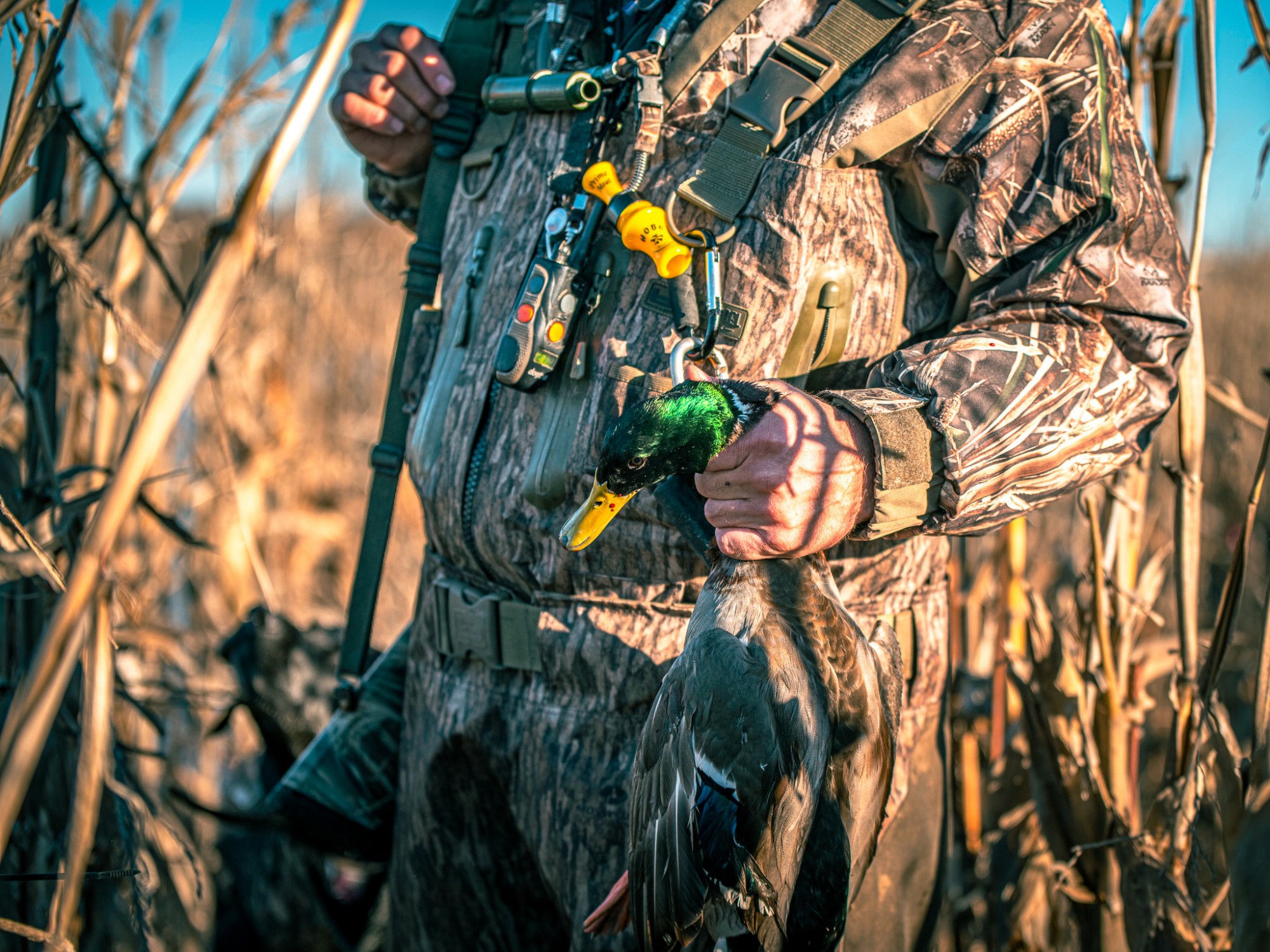
Check out the yellow Hobo Prime Meat Duck Call!
Practice and Equipment
Kent stresses the importance of using quality equipment. A good duck call is an investment that will pay off in the field. He also advises against starting with cheap calls as they don't provide the necessary range to learn effectively.
Lucky for you, Kent is the owner and operator of Hobo World Champion Duck Calls! These are the calls that Kent uses in the video and that we now use in the field, we can't recommend them enough.
Successful duck calling involves constant observation and adaptation:
Watch the Ducks: Pay attention to how they react to your calls. If they're coming in, keep your calls soft and natural. If they're veering away, you might need to change your strategy.
Adjust Your Calling: Based on the ducks' behavior, you may need to switch from aggressive calls to more subdued ones, or vice versa.
Teaching and Sharing the Passion
Finally, Kent encourages hunters to share their passion with others, especially kids. Introducing young hunters to duck calling can instill a lifelong love of the sport. Ensure their first experiences are positive by choosing good weather and active hunting days. We couldn't agree more!
Kent Cullum's masterclass is a treasure trove of information for both novice and experienced duck hunters. By focusing on the fundamentals, investing in quality equipment, and continuously observing and adapting to the ducks' behavior, you can significantly improve your duck calling skills. Remember, the goal is to sound as realistic as possible and to enjoy the process.
Hopefully, these tips can help you in the field this fall. Good luck, have fun, and Feed the Family!
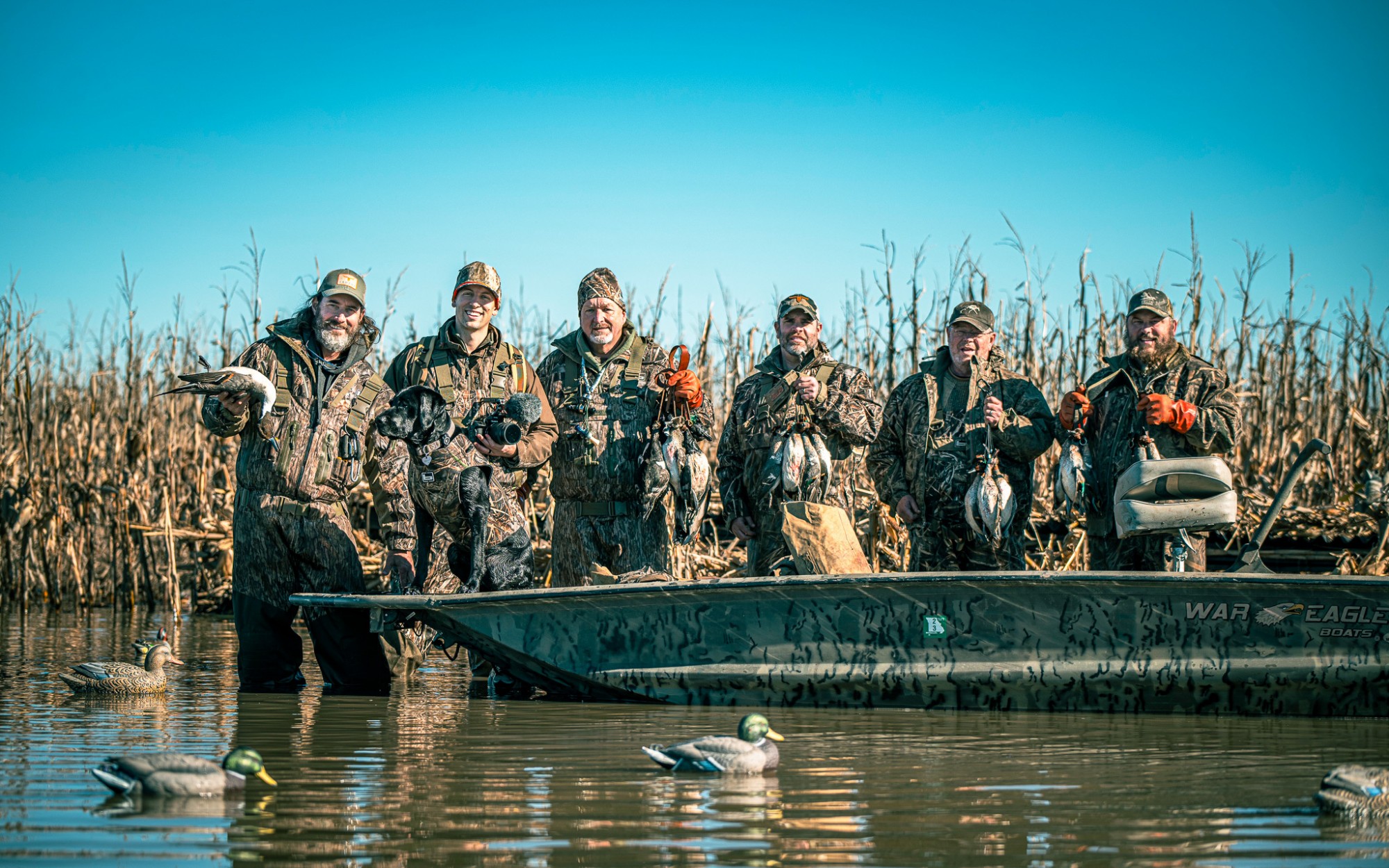
A great hunt with friends in Southeast, MO!
If you are looking for your own Trophy Waterfowl Property, Contact us Today!
In today's rapidly evolving real estate market, adaptability and innovation are essential. Recent industry shifts, including the impactful NAR ruling, highlight the perfect opportunity for agents to explore the powerful and efficient process of real estate auctions. Whether representing buyers or sellers, auctions with Trophy Properties and Auction can significantly enhance your business by streamlining transactions, boosting transparency, and maximizing profitability.
Master Turkey Calling to Become a Dominant Turkey Hunting Force
For any hunter who wants to hunt turkeys, being able to call in longbeard gobblers is a required skill. Turkeys have incredible hearing and vision, so your calling ability can make or break a hunt. If you want to consistently kill these mature, wary birds, you must dedicate time to improving turkey calling skills across various call types. Mastering mouth calling and learning to orchestrate coordinated calling sequences with multiple calls is a huge step towards dominance in the turkey woods. This comprehensive guide covers multiple pro tips for better turkey calling to elevate your hunt success.
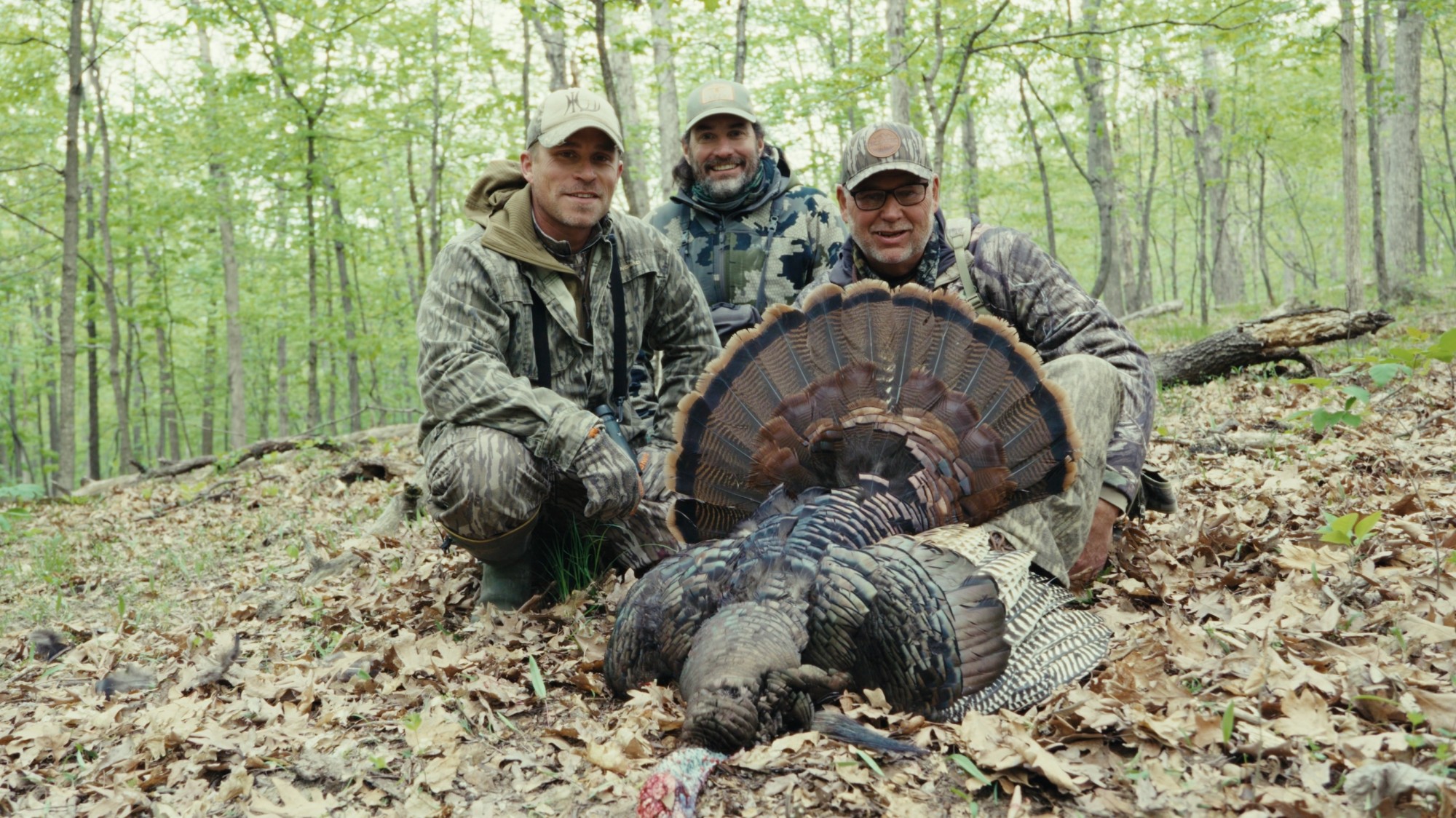
A successful hunt!
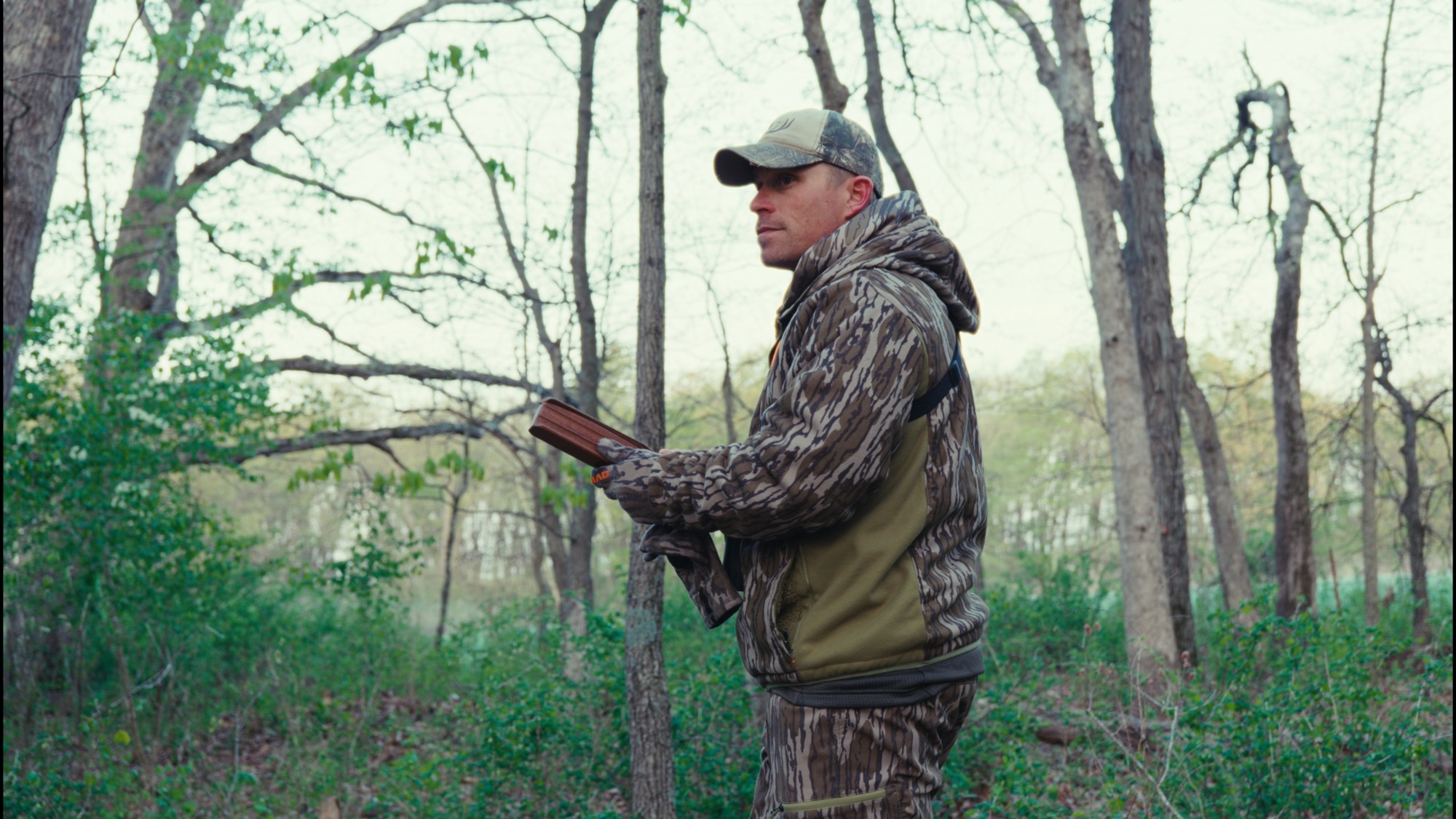
The Versatile Turkey Mouth Call
Long revered as one of the most effective turkey calling tools, the mouth call is a must-have for any hunter looking to improve turkey calling skills. The primary benefits are its hands-free operation, allowing you to keep your gun at the ready, and its ability to produce a wide range of vocalizations with subtle mouth inflections.
Mouth Call Tips:
- Take the longest mouth call reed and place it against the roof of your mouth, using your tongue to control vibration and raspy sounds.
- Don't just rely on your throat to make sounds - project air from your diaphragm muscles for louder, more carrying turkey yelps and cuts. Watch your abdomen move as you call.
- Master the natural inflections by nailing the high-pitched start to a yelp, transitioning into a raspier, deeper-toned ending. This replicates a real hen's physiology.
- Incorporate realistic intermittent calling elements like clucks, purrs, cackles, and pauses to avoid sounding robotically repetitive. Vary tempos too.
As you gain experience with mouth calls, you can incorporate advanced techniques to kick realism into overdrive:
- Use one side of your tongue to make more advanced turkey sounds like kee-kees, crisp yelp-cuttts, and smooth yelp-cutt transitions to mimic an extremely fired up hen.
- Project your yelps louder at specifically timed intervals to "shock" a gobbler into gobbling, raising their fight-or-flight instinct to breed.
- Try "throwing" your calling right or left as needed to steer an approaching gobbler towards your decoy setup.
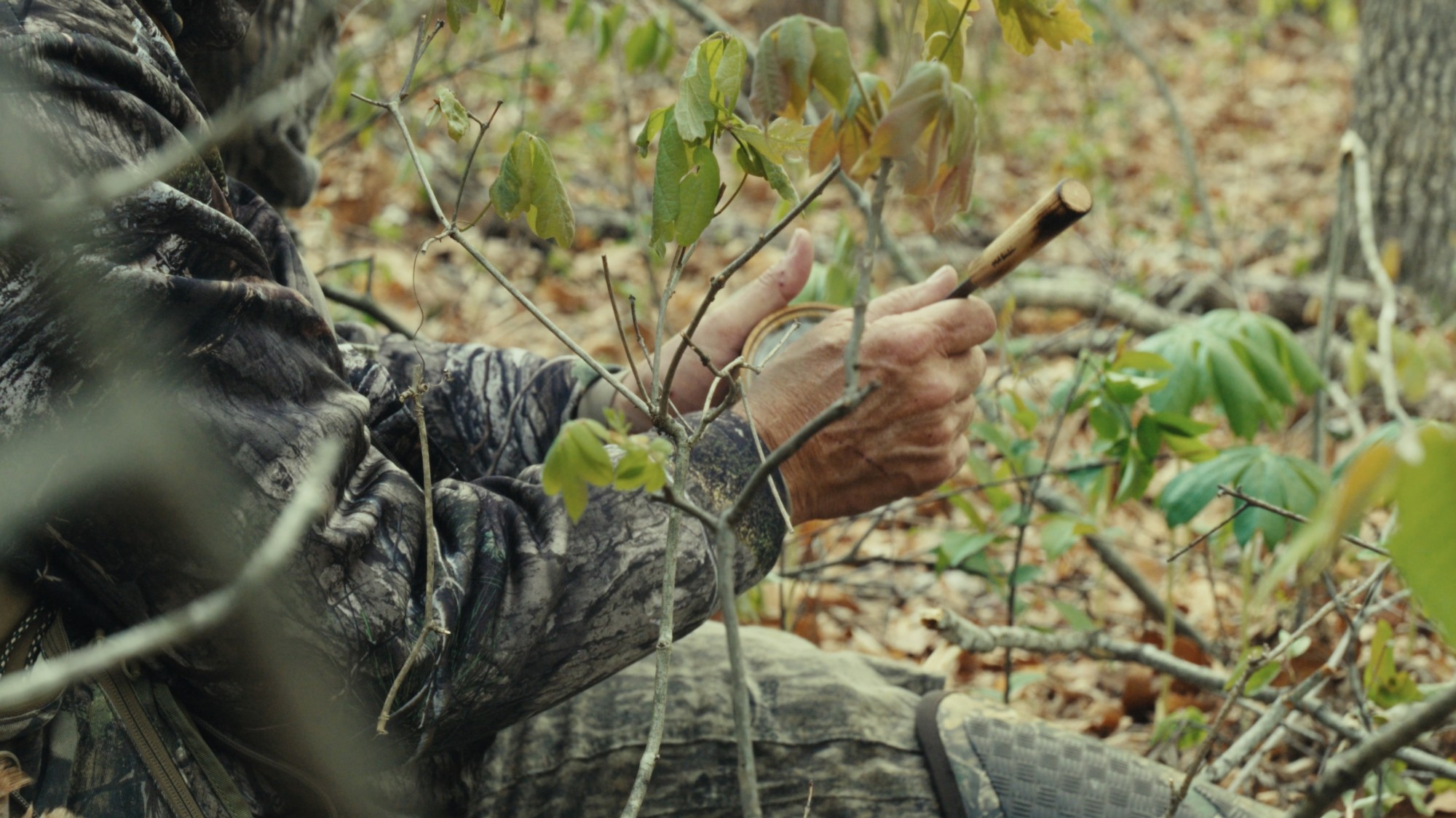
Friction Calls: The Other Essential
While mouth calls are the most versatile turkey call, having a reliable pot/box call is essential for mixing up your calling approaches. Friction calls are able to achieve a volume that is difficult to replicate with a mouth call. If you are trying to locate a gobbler or reach one that is far away, a box call or loud pot call is a must-have. Also, using a friction call along with a mouth call allows you to convincingly play the role of multiple hens in your hunting scenario which can be the difference maker if you have a wary gobbler or one that already has hens with him.
Friction Call Tips:
- Use longer striker strokes against the outer edges and keep the soundholes fully open to produce incredibly loud, high-volume yelping and cutting.
- Go softer by partially obstructing the soundholes and using gentle, short motions. It is better to be good at calling quietly than loudly.
- Always ensure the striker motion goes from the glued/crimp area out towards the bevel edges to replicate the natural tone and inflection changes of a realistic yelp.
Sequencing: The Calling Game Within the Game
More than just knowing how to call turkeys, the most consistently successful hunters have mastered the art of sequencing their vocalizations properly over the course of a hunt. Turkey calling is a conversational game - mixing and matching the right vocalizations at key moments based on gobbler behavior and positioning is a massive advantage.
Here are some proven calling sequence strategies:
- Start with simplistic soft tree yelps at first light to mimic birds preparing to fly down, switching up to louder mouth calling and cutting when feet hit the ground.
- Flip intermittently between mouth calling and striking a pot call, keeping sounds unpredictably dynamic to pin a gobbler's interest.
- If a gobbler starts drifting one way or another or hanging up, get aggressive with loud cutting and yelping to trigger either a fight or breeding response to recharge his approach.
- Conversely, go silent for periods to eliminate the possibility of over-calling or allow a gobbler to relax and slowly close distance.
World-class callers intimately understand the nuances of wild turkey behavior and can orchestrate calling sequences specifically designed to trigger hard-wired reactions every step of the way. There's no substitute for time spent actually calling turkeys in the field to improve and ingrain skills. Take advantage of every opportunity to call - you'll gain invaluable experience in reading turkey language and reactions. The most accomplished hunters remain students of the game by constantly tweaking mouth and friction call methods, developing a conversational catalog of call sequences for any scenario. With a commitment to improving turkey calling prowess, each spring will bring more welcomed thunderous gobbles and fill more tags.
Anyone can cook ground venison, put it on a tortilla, and call it a taco... and don't get us wrong, we will eat it! But this recipe takes it up a couple of notches. We're sure this will not only become the hit of your party, but a regular staple in your wild game recipe book.
"Good things come to those that can wait" - Us making this goose recipe
Bust out the Sous Vide and blow your guests' minds with this Goose Breast recipe. The end result is on par with any roast beef that we've ever had. Anthony likes this recipe so much that he made it for his wedding!
If you're feeling generous enough to share one of the backstraps you have in the freezer and if you want to class the joint up a little bit and make your guests feel fancy, this is the recipe that will impress!
This is the recipe we serve to any of our friends and family who say they "don't like wild game." This will change their minds.
Have fun and enjoy!
Let us know if you have any other recipe ideas that we should try out or make a video of next!
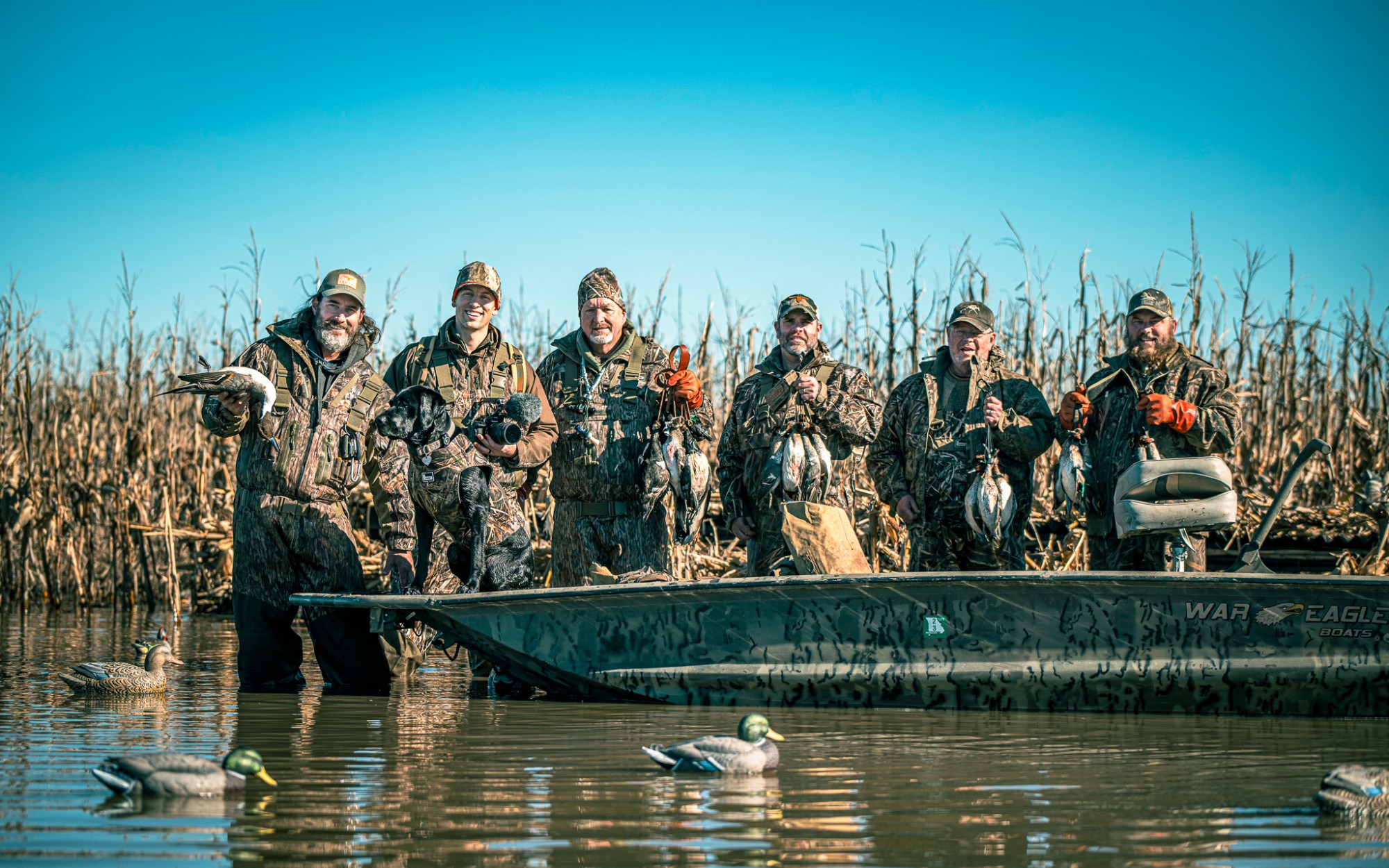
Some of the Trophy Properties and Auction team went down to New Madrid, MO for a few days of duck hunting in the Bootheel!
We were lucky enough to hunt with some of the members of the Banded Waterfowl team, as well as Kent Cullum, a 9x World Champion Duck Caller and the owner of Hobo Duck Calls.
A successful few days in the blind!
Be sure to keep an eye on our YouTube channel later this year!
We sat down with Kent Cullum and recorded a 1+ hour duck calling masterclass video. He covers everything from how to hold a duck call, all the way to how to make sure you are able to get those ducks to finish. Kent is literally a world-class duck caller and you do not want to miss this video when it comes out.
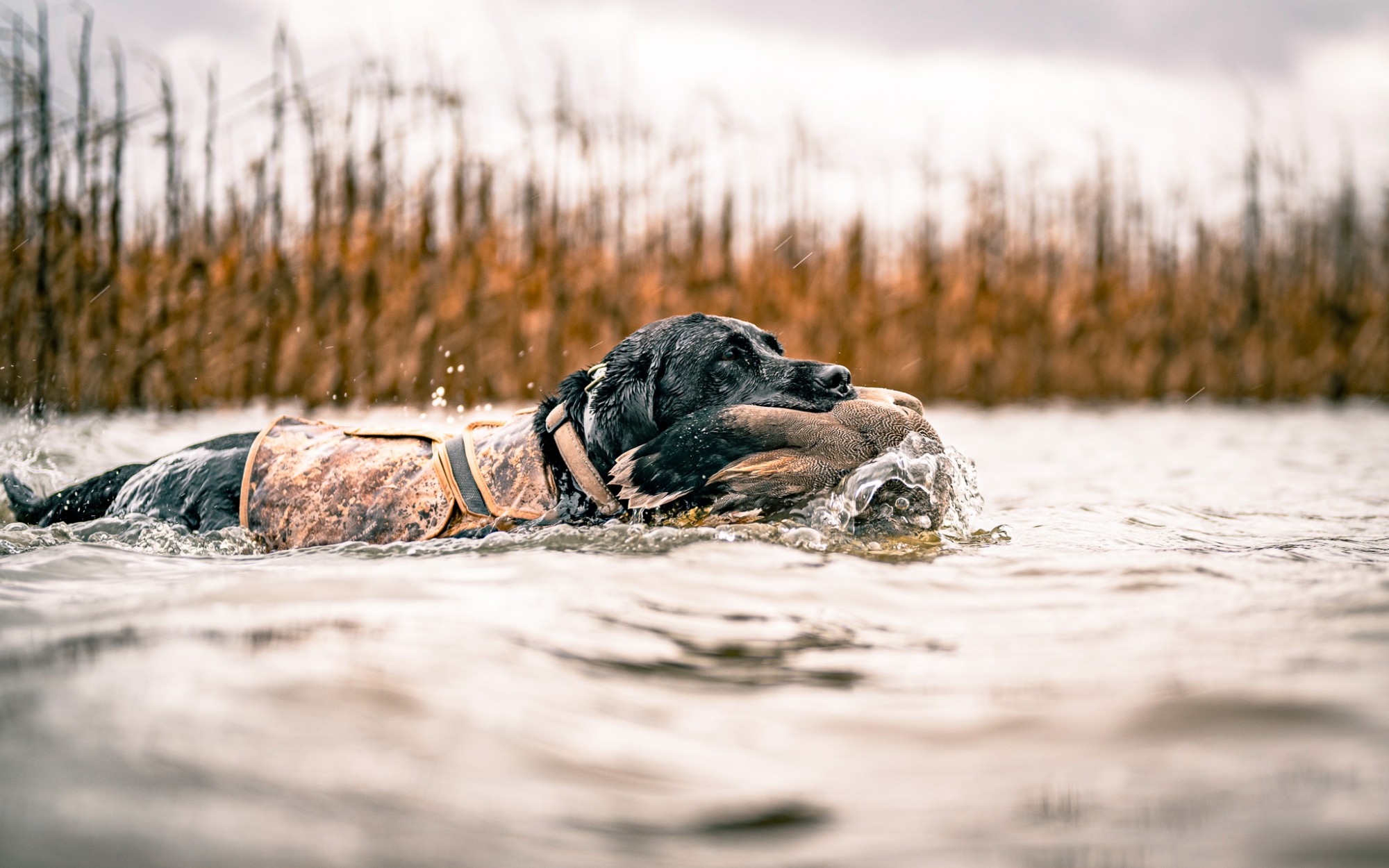
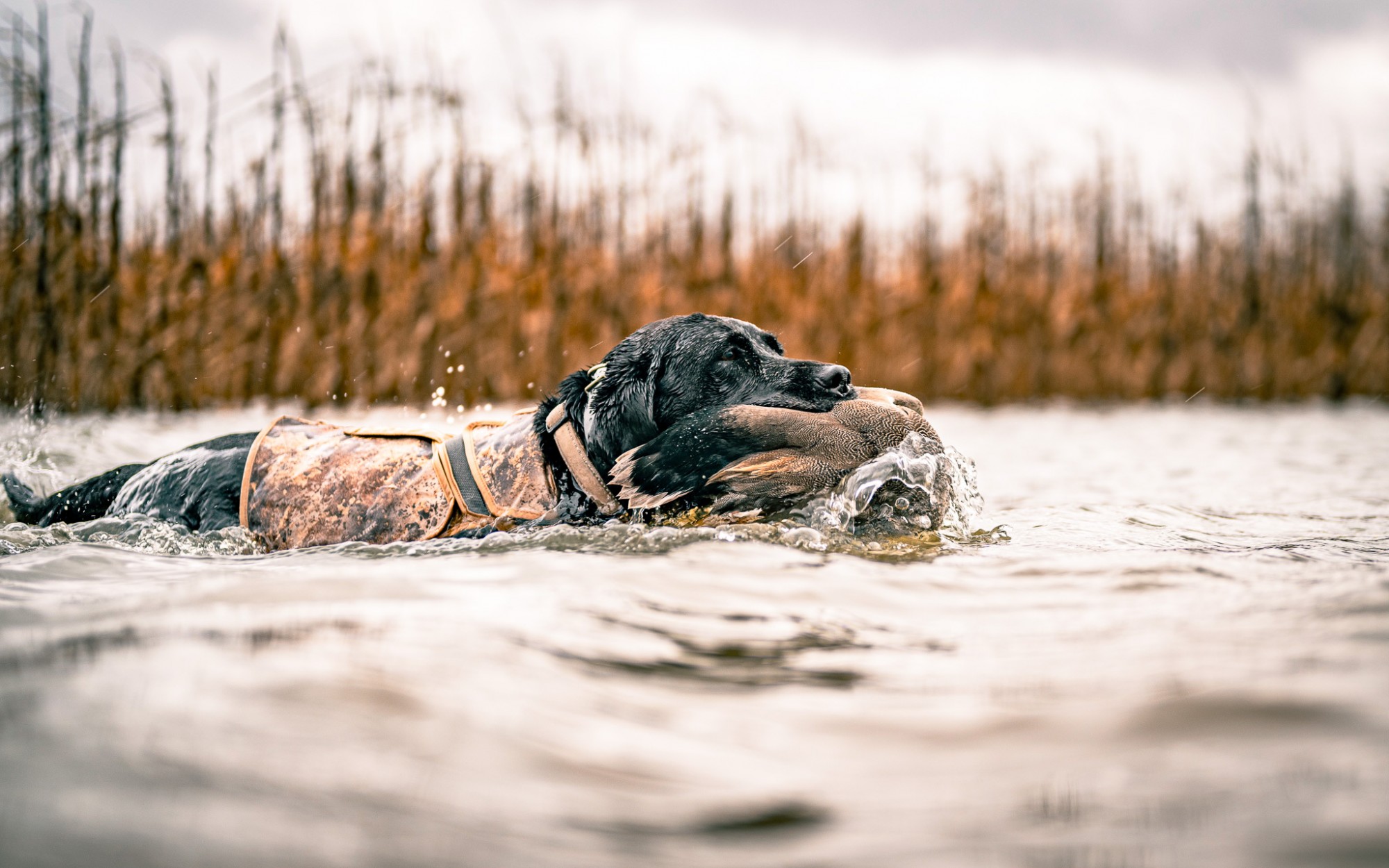
Broker/Owner Jason Cleveland brought his dog, Stella, and she is definitely a good girl. A well-trained dog can be the most important tool a hunter has in their arsenal. There is nothing better than watching a dog do what it was made to do.
Stella is a good girl
We are sad that duck season is over, but we are happy to have made the memories and harvested the ducks we did!
Not happy with your 2023 duck hunting season?
Now is a great time to start thinking about where you are going to be hunting this fall, and if you should make any changes. If you are wanting to make a change, whether it be making improvements to your current property, or selling what you have to buy something better. Give us a call! We have multiple waterfowl experts on our team to help you maximize the value of your current property, or help you find a hidden-gem duck hunting property.
We respect your concerns about privacy and value the relationship that we have with you.
Like many sites, we use cookies on our website to collect information to help improve your browsing experience. The cookies that we use allow our website to work and help us to understand what information is most useful to visitors.





 RSS Feed
